Your Refill Looks Different—Here’s How to Check It Without Freaking Out
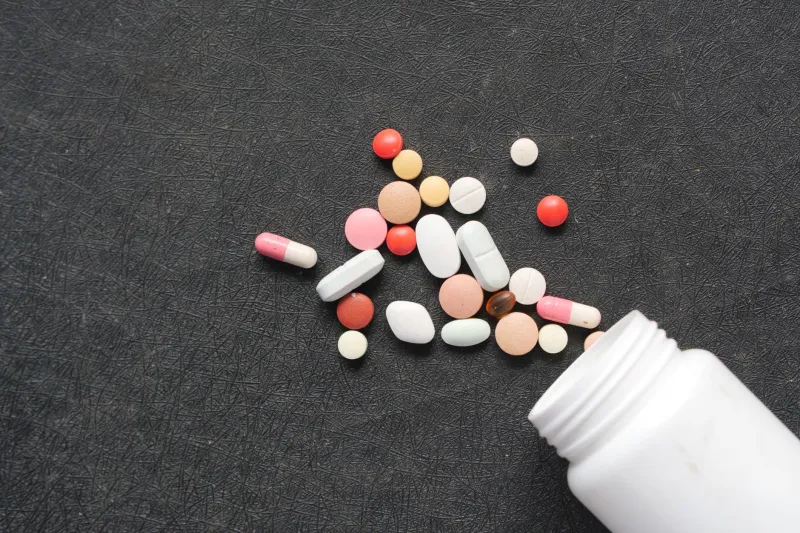
You open your refill bottle, and the little blue pill you know is now a different shade, a different shape, or stamped with an imprint you have never seen. Before you assume the pharmacy messed up or your order went sideways, take a breath. With generic sildenafil, a cosmetic change is often the most boring explanation possible: your pharmacy switched manufacturers.
As of 2026, sildenafil citrate is available from multiple FDA-approved generic makers. They all contain the same active ingredient at the same strength, but the inactive ingredients, dyes, binders, and pill presses can differ. That means the tablet can look different from one refill to the next without being a different drug. The trick is knowing which details are cosmetic and which ones deserve a phone call.
What pharmacy substitution actually means
When your clinician writes a prescription for sildenafil, the pharmacy can usually dispense any FDA-approved generic equivalent unless the prescriber specifically wrote “dispense as written” or you have a documented reason to stick with one maker. State rules vary, but the basic idea is simple: generic substitution is legal and common because the active ingredient and strength are supposed to match the brand or reference product.
This is not a bait-and-switch. Pharmacies juggle supply, contracts, and backorders. One month your bottle may say Manufacturer A; the next month it may say Manufacturer B. The label should reflect that change. If it does, and the pill matches the label, you are probably looking at a normal supply-chain swap, not a problem.
The label details that matter
Before you stare at the pill, stare at the label. Check the drug name and strength, the manufacturer or distributor, the National Drug Code, the lot number, the expiration date, and the pharmacy’s name and phone number. If the manufacturer changed, expect the pill’s appearance to change too. That is the whole point.
A legitimate label should be specific and consistent. It should not have obvious typos, a strength that does not match your prescription, or a manufacturer name that sounds like it was invented by a chatbot. If the label says 50 mg but your prescription is for 100 mg, that is not a cosmetic issue. Call the pharmacy before taking anything.
The pill details worth checking
Most approved prescription tablets have an imprint code, and that code is tied to a specific manufacturer and product. You can ask your pharmacist to match the imprint and NDC, or check the manufacturer’s labeling through FDA resources such as DailyMed. A random online pill identifier can be a starting point, but it should not be your final answer.
The pill itself should be intact, not chipped, crumbly, or strangely soft. It should not smell odd or look like it has been rattling around loose in a drawer. If the imprint is missing, smeared beyond recognition, or does not match the label, that is worth a call. Same goes for a tablet that looks wildly different from the same manufacturer’s previous batch, especially if the lot number is the same.
When a cosmetic change is a phone call, not a freakout
A new manufacturer with a new color or shape is usually fine. A new manufacturer with a label that matches the pill and a pharmacist who can explain the swap is even better. You do not need to panic just because your refill went from white to blue or from round to oval.
Call the pharmacist if the manufacturer and lot number are the same but the pill suddenly looks different. Call if the label has errors, the strength is wrong, the seal is broken, the pills arrived loose in a baggie, or the packaging looks tampered with. Call if the tablet has no imprint at all or an imprint that does not match the label. And definitely call if the pharmacy cannot tell you who made the pill or why it looks different.
Normal generic swap vs. counterfeit red flag
A normal swap has a paper trail. The label lists a manufacturer, the NDC, the lot, and the expiration date. The pill matches that information. The pharmacy is licensed, the receipt is normal, and the pharmacist can answer questions without getting weird about it.
A counterfeit red flag looks different. Maybe the seller requires no prescription or no real consultation. Maybe the price is dramatically lower than every legitimate pharmacy in town. Maybe the packaging has misspellings, no NDC, no lot number, or foreign-language labeling that does not match a US prescription. Maybe the pills have no imprint, the dose is inconsistent, or the seller refuses to identify a licensed pharmacist. Those are not cosmetic quirks. Those are reasons to walk away.
If you buy online, verify the pharmacy’s license through the state board and look for legitimate accreditation signals such as a .pharmacy domain. A slick checkout page is not proof of anything. Neither is a pill that happens to look like the one you used to get.
A quick refill routine that keeps you sane
When your refill arrives, compare the new label with your old bottle. Check the manufacturer, strength, NDC, lot, and expiration. Look at the imprint and shape. If the manufacturer changed, take a photo and move on. If something does not line up, call the pharmacy with the label in front of you and ask them to verify the product.
You can also ask your pharmacist whether they can note a manufacturer preference on your profile, though supply issues mean no one can guarantee it forever. Do not split tablets unless they are scored and your clinician or pharmacist says it is okay. Store sildenafil somewhere dry and room-temperature, not in a steamy bathroom or a hot car.
A changing pill can feel alarming when you are used to one exact look. But generic sildenafil is not one single tablet from one single factory. It is a category with multiple approved makers. Most appearance changes are just the supply chain doing its thing. Verify the label, check the imprint, and ask the pharmacist when anything feels off. That is a lot more useful than panicking over a different shade of blue.