Heat, Humidity, and the Glove Box: Where Sildenafil Should Actually Live
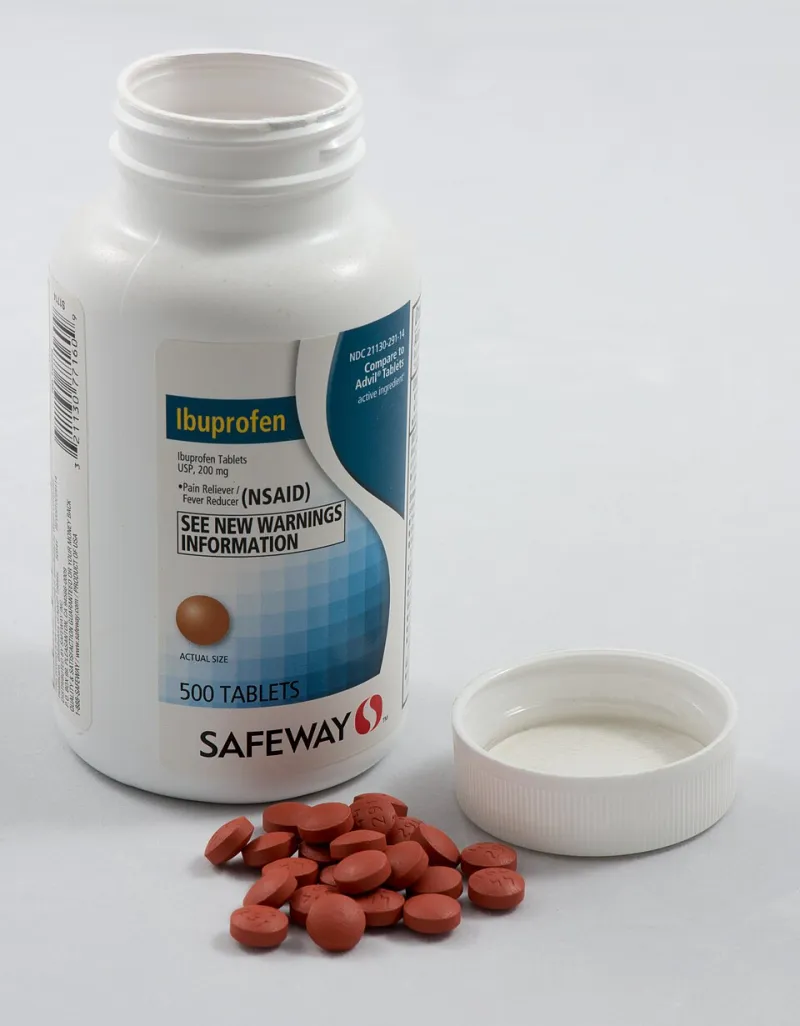
Photo: Derrick Coetzee (User:Dcoetzee), CC0, via Wikimedia Commons
You paid real money for those tablets. Then you walked into the bathroom, opened the cabinet above the sink, and put them next to the floss. It's the most natural move in the world — it's where everybody keeps medicine. It's also, for this particular drug, one of the least friendly spots in your home.
None of this is about scaring you. Sildenafil isn't fragile in some dramatic, fizzing-off-the-shelf way. It's a slow-degradation story. Heat, moisture, and light chip away at potency quietly, and the failure mode isn't a warning siren. It's a Tuesday night where the pill just doesn't seem to do what it did three months ago, and you start wondering whether the dose was wrong, the seller was sketchy, or something changed in your body. Often, the answer is sitting in your bathroom.
What the expiration date is actually promising
That date stamped on the bottle isn't a magic guarantee about the pill inside your specific cabinet. It's the end of a stability window that the manufacturer tested under defined conditions — typically a controlled room temperature around 68 to 77°F, with short permitted swings up to roughly 86°F, kept in the original sealed container, protected from light and moisture.
Read that list again. Every single assumption in it is violated by a medicine cabinet above a sink in a house with a working shower.
So the date is a best-case estimate, not a promise. Store the bottle well and you can reasonably expect it to hold up through the printed date. Store it badly and you've shortened that window without any label telling you so.
The bathroom is a humidity chamber with a mirror
A hot shower pushes relative humidity in a normal bathroom north of 80 percent for a while, sometimes higher in a small space with the fan off. Steam condenses on cool surfaces — including bottles — and moisture finds its way past loose caps and into cotton balls and tablets. Add a vanity light bar baking the cabinet from outside and you've got heat, humidity, and light all in one spot.
And yes, people do keep pills on top of the toilet tank. If that's you, we need to talk.
If you want one simple rule: the bathroom is for grooming products, not for medication you care about.
The kitchen isn't automatically better
Moving the bottle to the kitchen counter feels like progress. It usually isn't. The cabinet above the stove catches heat and grease. The shelf beside the dishwasher gets a humidity blast every cycle. The windowsill gets direct sun and wide temperature swings. A closed pantry shelf away from appliances is fine; the counter next to the coffee maker is not.
A quick room-by-room ranking
Bedroom closet or dresser drawer. Dark, dry, and holds a steady temperature. This is the winner for most people. High shelf, away from the window.
Hall linen closet. Also good, provided it's not the closet that shares a wall with the shower.
Basement. Tempting for space reasons, but damp basements are a real risk. Skip it unless it's finished and dehumidified.
Garage. No. Summer heat and winter cold both work against you.
Car and glove box. The worst option on this list, and we'll get to it.
Refrigerator. Only if a label specifically says so. It usually doesn't, and a fridge introduces condensation every time the bottle comes out.
Pill organizers: convenience with a catch
Weekly organizers are genuinely useful, especially if you're juggling more than one medication. The catch is that most compartments aren't airtight and plenty of them are clear or translucent. A week's worth loaded into a dark drawer is fine. A month's worth sitting on a kitchen counter in a clear plastic box is a slow bake.
Two practical tweaks: keep the desiccant packet in the original bottle rather than transferring it (once it's saturated, it stops helping), and don't pre-load more than about a week at a time.
Travel packs, hotel bathrooms, and the TSA line
Keep pills in the original labeled bottle when you fly. A prescription label with your name on it is the thing that turns a confusing bag search into a thirty-second conversation, and it's what a customs officer will want to see if you're crossing a border.
Ziploc baggies are a bad habit for a different reason: no label, no lot number, no expiration date, and no protection from light or moisture. At the hotel, resist the urge to line the bottle up on the sink next to the toothpaste. Toss it in a toiletry bag and put the bag in a drawer. And keep it in your carry-on rather than checked luggage — the cargo hold gets cold enough to matter, then your bag sits on a tarmac in the sun.
The hot-car problem, in numbers
On an 85°F day, the interior of a parked car can climb past 130°F within half an hour, and a dashboard or glove box can run hotter still. A single hot afternoon is probably not going to ruin a bottle, but repeated exposure is exactly the kind of stress that stability testing is designed to exclude.
So don't treat the glove box as storage. Treat it as a place things go to be forgotten. If your pills have been riding around in there since spring, look at them: discoloration, a chalky or crumbly texture, tablets stuck together, or an odd smell are all reasons to replace the bottle rather than gamble.
What "degraded" actually means in practice
Here's the reassuring part. A pill that's been stored badly generally doesn't become dangerous — it becomes weaker and less predictable. The realistic outcome is that it underperforms, and you blame the drug or the dose instead of the storage.
The move that does cause problems is compensating. Taking a second tablet because the first one felt flat, especially without knowing how much potency you're actually working with, is how people end up with a headache, a flushed face, and a blood pressure dip they didn't plan for. If a bottle seems off, replace it. Don't double up on a guess.
A five-minute storage reset
Grab the bottle. Check the printed expiration date and the lot number. Move it to a bedroom drawer or a hallway closet, still in its original container with the cap snug. If you use an organizer, keep it in a drawer, not on a shelf. If you've got a travel bottle sitting in the car, bring it inside. If the tablets look or smell wrong, order a replacement through a licensed pharmacy and don't finish the old bottle out of stubbornness.
That's the whole project. No chemistry set, no desiccant collection, no hygrometer on the nightstand. Just get the bottle out of the steam room and into a drawer, and the dose you paid for has a fair shot at being the dose you get.
This is general information, not medical advice. Talk to your prescriber or pharmacist about your specific medications and how to store them.