Your Sildenafil Auto-Ship Isn’t a Subscription to Infinity—Here’s the 20-Minute Audit

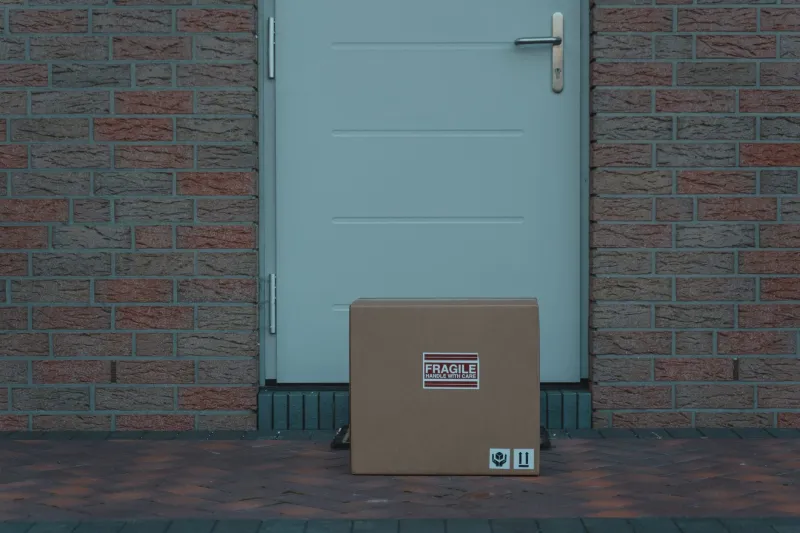
Auto-refill is one of those features that sounds like it was designed by someone who has never stood in a pharmacy line on a Saturday. Set it, forget it, and the little box shows up before you run out. For plenty of guys, that is a real upgrade. But auto-ship has a quiet failure mode: it keeps working after your life has changed. And that is how a convenient subscription turns into a drawer full of future doses you may not need.
Let’s be clear: this is not a case for canceling a prescription you actually use. It is a case for treating auto-refill like any other recurring charge—something worth a quick look every few months, especially as online pharmacies lean harder into subscribe-and-save models. As of 2026, pausing or right-sizing a shipment is usually a few clicks. The trick is remembering to do it.
Why the supply outpaces the need
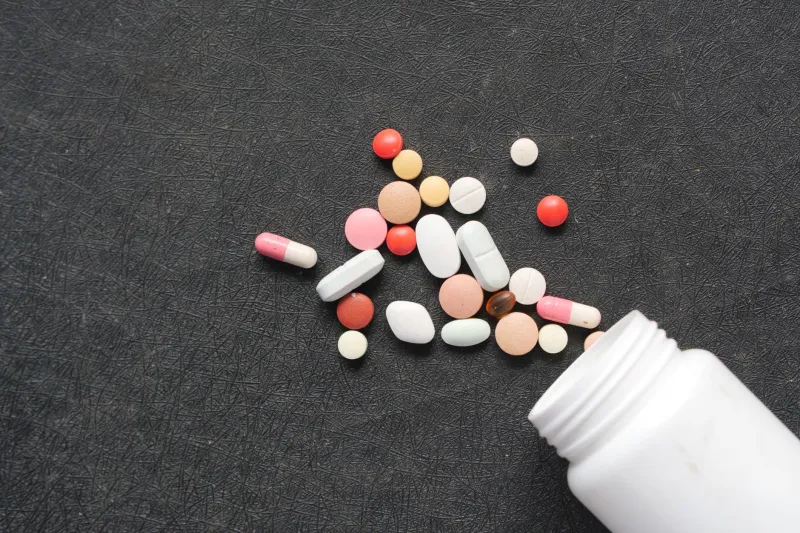
Sildenafil is often prescribed as needed, not as a daily pill. That matters. A 30-count bottle shipped every 30 days assumes a frequency that may not match how you actually live. For one guy, 30 tablets is a month. For another, it is a season. If the shipments keep arriving on schedule, the math stops being about convenience and starts being about inventory.
There are other quiet culprits. A prescriber might adjust your dose from 50 mg to 25 mg, but the old auto-ship keeps humming along. You might switch insurance, move, or change pharmacies. You might take a new job with a different HSA card on file. Or you might simply go through a stretch where you do not need refills at all. The subscription does not know any of that unless you tell it.
A stockpile is not automatically dangerous, but it is not neutral either. Expired medication is a disposal question. A crowded drawer is a privacy question if kids, roommates, or guests can find it. And a bottle with no clear label is a bad idea waiting to happen. Convenience should not turn into clutter you have to manage later.
The 20-minute audit
Grab your phone, open the pharmacy account, and run this checklist. You do not need to make a project out of it.
- Find the next shipment date. Check the quantity, dose, price, and payment method on file. Make sure the next ship date is not sooner than you expect.
- Compare the supply to your actual use. Look at the last 60 to 90 days. If you already have an unopened bottle and another shipment is about to land, that is your cue to adjust.
- Check expiration dates on the manufacturer bottle. The shipping label is not the expiration date. Keep tablets in the original container, and do not use anything past its date. For disposal, use a pharmacy take-back program or a DEA-authorized collection site rather than flushing unless the label says to.
- Right-size before you cancel. Many pharmacies let you skip the next shipment, change the interval to every 60 or 90 days, reduce the quantity, or pause the subscription. Pausing is often reversible. Canceling may mean starting a new consult later, so choose the option that matches what you actually need.
- Audit the billing. Look for membership fees, auto-renewals, and charges you did not expect. If you use an HSA or FSA card, confirm the charge is for a legitimate prescription—not a supplement or wellness add-on that does not qualify.
- Lock down the privacy settings. Check whether shipping labels and notifications use neutral language or spell out the medication. Review text and email alerts, especially if you share an inbox. Turn on two-factor authentication if the pharmacy offers it, and check the marketing opt-outs so your refill reminders do not turn into a newsletter you never asked for.
- Store it like it matters. A cool, dry spot beats a steamy bathroom. Keep the bottle out of reach of kids and pets, and do not transfer long-term supply into an unlabeled pill organizer.
When to loop in the prescriber
If the audit shows you are not using the medication, that is worth a conversation—not a silent cancellation and not a drawer full of leftovers. Your prescriber can help you decide whether the prescription still fits your needs, whether a different dose or schedule makes sense, and what to do with unneeded supply. Do not self-adjust your dose to burn through inventory. Auto-refill is a billing convenience, not a substitute for follow-up care.
The bottom line
A sildenafil subscription should match your life, not your drawer. The goal is not to cancel everything and go back to Friday-night pharmacy runs. The goal is to keep the convenience while cutting the autopilot. Set a calendar reminder every six months, run the checklist, and make the subscription earn its place. That is a lot easier than explaining why you have three unopened bottles and no idea what you paid for them.