The Nightstand Archaeology Project: What to Do With Old Sildenafil Tablets
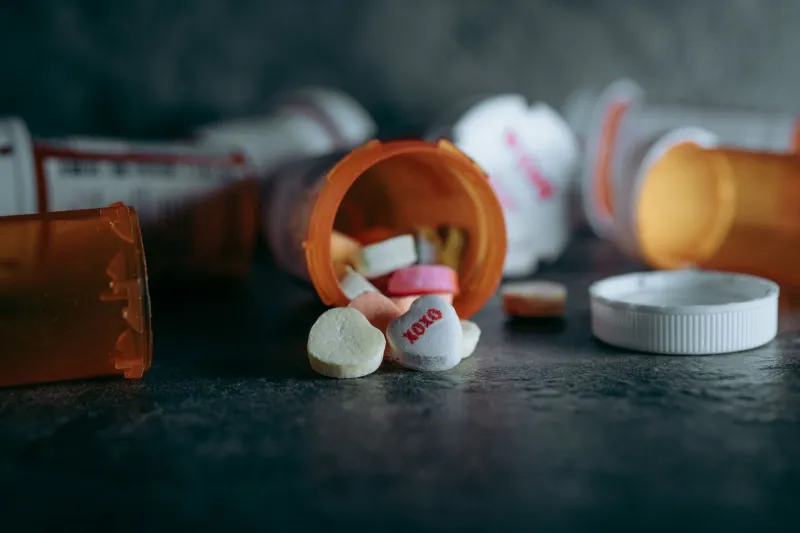
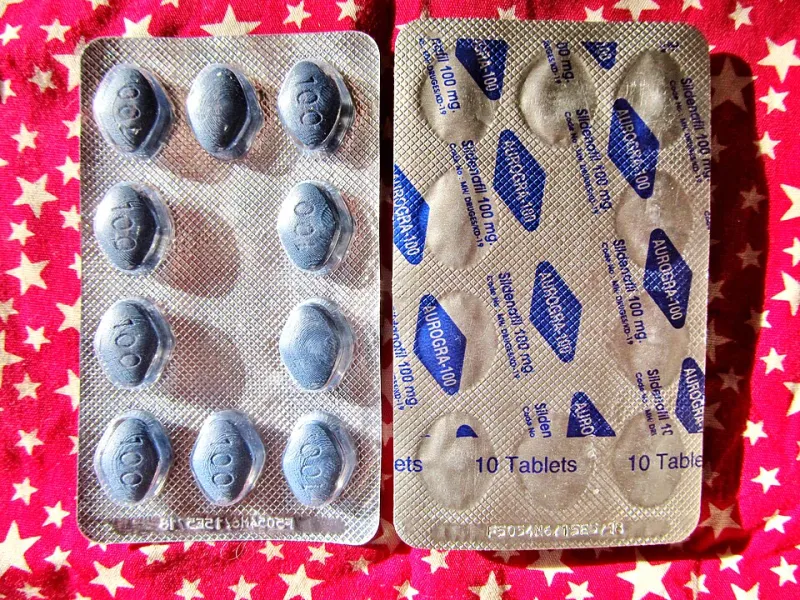
Every guy who’s filled a sildenafil prescription eventually finds himself doing a little nightstand archaeology. You’re looking for a phone charger and instead you unearth a pharmacy bottle with four lonely tablets rattling around, a label that says “fill date: June 2024,” and a vague memory of a weekend trip to the lake. The quiet debate starts: is this stuff still good, or am I about to swallow a tiny blue relic?
Let’s walk through it like adults. No panic, no urban legends—just what the date actually means, why storage matters more than you think, and how to make a sensible call the next time you’re staring at a mystery pill from two summers ago.
The Expiration Date Is a Guarantee, Not a Cliff
That stamped date on the bottle isn’t the moment sildenafil turns into a pumpkin. It’s the end of the period during which the manufacturer has guaranteed the full labeled potency and safety profile—assuming the tablets were stored as directed. The FDA requires drugmakers to prove stability over that window, and for most prescription tablets, that window is generous.
Here’s the practical translation: a sildenafil tablet a few months past its date is probably not dangerous, but it may be a little less reliable. You’re not gambling with poison; you’re gambling with predictability. And when the whole point is a medication that needs to work within a specific window, “probably still fine” is a shaky foundation for your evening plans.
The Real Risk Isn’t Toxicity—It’s Guesswork
Sildenafil isn’t one of those rare drugs that becomes genuinely toxic as it degrades. The bigger issue is that you don’t know what you’re actually getting. A tablet that’s been sitting in a warm bathroom for two years may have lost potency, absorbed moisture, or started to break down in ways you can’t see. If it’s crumbly, discolored, or smells off, that’s an automatic toss—no debate.
The other trap is compensation math. If you suspect the old pill is weak, you might be tempted to take one and a half, or two. That’s how you turn a minor uncertainty into a real blood pressure drop, a headache, or a flashing-light visuals episode. Expired medication is not a dose-and-see situation.
Storage Is the Silent Clock Accelerator
Two identical bottles can age very differently depending on where they live. Heat and humidity are the enemies. The bathroom medicine cabinet—classic move—is basically a sauna for tablets. The glove box is worse. A windowsill is a slow roast.
Sildenafil likes what most medications like: a cool, dry spot away from direct light, ideally in the original bottle with the desiccant pack still inside. If your leftovers have been riding around in a hot car or sitting next to the shower for a year, treat them as degraded regardless of the date on the label. The calendar is only half the story; the other half is the environment.
The Practical Triage: Keep, Toss, or Hand In
So you’ve found the bottle. Here’s a simple decision tree.
Keep it only if the tablets look normal—uniform color, intact coating, no crumbling—and they’ve been stored somewhere sensible, like a bedroom drawer. Even then, think of them as a backup for a low-stakes moment, not your primary plan. If the date is more than a year past, most pharmacists will tell you to replace them. The margin of error isn’t worth it.
Toss it if the tablets are discolored, sticky, cracked, or smell strange. Also toss if you can’t remember where they came from—an unlabeled bottle or a loose pill in a gym bag is a mystery, not a medicine. And toss anything that lived in the bathroom or the car, no matter how official the label looks.
Dispose of it properly. Don’t flush unless the label specifically says to. The better move is a DEA take-back event, a pharmacy mail-back envelope, or the old coffee-grounds trick: mix the tablets with something unappealing (used coffee grounds, cat litter), seal them in a bag, and put them in the household trash. That keeps them out of the water supply and away from anyone who might mistake them for candy.
A Restock Checklist So You’re Never Improvising
The real goal is to never be in this position again—fumbling with a stale pill because you didn’t plan ahead. A few small habits fix that.
- Do a quarterly bottle check. Pick a date—the first Sunday of the month, whatever—and look at your supply. Note the fill date and how many tablets are left.
- Order your refill two weeks before you run out. If you use an online pharmacy, that buffer covers shipping delays and verification hiccups.
- Keep one bottle, not five. Scattered tablets in drawers, dopp kits, and jacket pockets are how you end up with a mystery pill and no label.
- Store in a single cool, dry spot. A locked bedroom drawer beats the bathroom every time.
- Travel with the original labeled bottle. If you’re flying, that’s the difference between a smooth security check and a long conversation.
None of this is complicated. It’s just the boring adult stuff that keeps your medication effective and your evenings predictable. Expired sildenafil isn’t a horror story—but it’s not a freebie either. Treat the date as a nudge to restock, not a dare to experiment.