Fillers, Dyes, and Coatings: The Stuff Riding Shotgun With Your Sildenafil
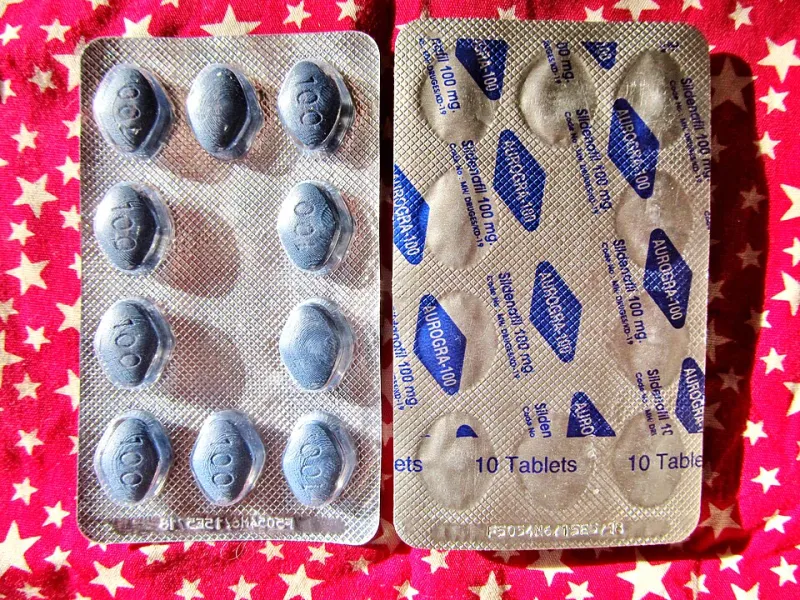
Photo: Raquel Baranow from Tucson, Arizona, U$A, CC BY-SA 2.0, via Wikimedia Commons
You flip the bottle around, find the line that says sildenafil citrate 20 mg, and figure you’re done. Fair enough. That’s the part doing the work. But here’s the thing nobody puts on the front label: the active molecule is a tiny fraction of what you’re swallowing. The rest of the tablet — the fillers, binders, disintegrants, coatings, and colors — is the delivery system. And unlike the active drug, that recipe can change from one generic manufacturer to the next.
At SildenBot, we talk a lot about dosage, timing, and sourcing. This is the part that sits underneath all of it: what else is in the pill, and why it might matter to you.
First, What Counts as ‘Inactive’?
Inactive ingredients are called excipients. They’re not filler in the pejorative sense. They hold the tablet together, help it dissolve at the right place and pace, protect it from moisture, and make it look like something a human wants to swallow. Common examples include microcrystalline cellulose, lactose monohydrate, croscarmellose sodium, magnesium stearate, silicon dioxide, hypromellose, titanium dioxide, and various dyes.
Excipients aren’t automatically inert, either. They can affect how fast a tablet breaks apart, how it tastes, and — for a small slice of people — whether it triggers a sensitivity. The FDA maintains an inactive ingredient database, and manufacturers are required to list excipients on the label and in the prescribing information. That list is your starting point.
Why Two Generics Can Look and Feel Different
Generic sildenafil has to be bioequivalent to the brand-name version, which means the active drug has to hit the bloodstream at a comparable rate and extent. That’s the regulatory bar. What that bar does not require is an identical excipient recipe. Two FDA-approved generics can use different binders, different coatings, and different dyes and still be considered therapeutically equivalent.
This is normal. It’s also why one tablet can feel chalky and another slick, or why one dissolves faster on your tongue. That alone doesn’t mean one is fake or inferior. But if you’ve got a sensitive gut, a dye allergy, or a lactose issue, the difference between manufacturers can be the difference between a smooth experience and a weird one.
The Shortlist of Ingredients Guys Actually Ask About
Lactose monohydrate is a common filler. If you’re lactose intolerant, the amount in a single tablet is usually small, but ‘usually small’ isn’t the same as ‘never a problem.’ If you’ve had reactions to dairy-containing tablets before, bring it up.
Dyes are another one. Sildenafil tablets have been colored with FD&C Blue No. 2, among others. True dye allergy is uncommon, but it exists, and some guys report headaches or stomach upset they suspect is dye-related. Titanium dioxide is an opacifier, not a dye, and it shows up in plenty of white tablets. If you’ve reacted to a specific colorant in the past, ask for a dye-free option — they do exist.
Starches and gluten get a lot of attention. Most US sildenafil tablets don’t use wheat starch, but if you have celiac disease or a serious sensitivity, read the excipient list and verify with the manufacturer rather than trusting a forum post.
Magnesium stearate, silicon dioxide, and croscarmellose sodium are workhorse excipients and are generally well tolerated. Croscarmellose sodium contains a trace amount of sodium, which almost never matters at this scale, but it’s worth knowing if you’re on a strict sodium restriction and your clinician has told you to count everything.
How to Read the List Without a Chemistry Degree
Start with the patient leaflet or the manufacturer’s prescribing information. Look for the section usually called ‘Inactive ingredients.’ The order generally reflects amount, from most to least, though that’s a labeling convention, not a precise recipe. DailyMed is a solid place to pull the official label if you don’t have the paper insert anymore.
If you’ve had a reaction you suspect is tied to an excipient, write down the manufacturer and the full inactive list. Next time you fill, compare. Pharmacies switch suppliers based on contracts and shortages, so the tablet you get in March may not be the tablet you got in January. That’s not a scandal. It’s just supply chain reality.
Pharmacist Questions That Actually Get Answers
Skip the vague ‘is this one okay?’ and get specific. Ask: Which manufacturer makes this batch? Can you note that I had a problem with a specific ingredient or manufacturer? Is there a dye-free or lactose-free version you can order? Can I see the medication guide before I pay? If I had a reaction to a filler in another tablet, what’s the alternative?
A good pharmacist will not be annoyed by this. They deal with excipient questions more often than you’d think, especially for patients with allergies or dietary restrictions.
What ‘Interchangeable’ Really Means — and Doesn’t
At the pharmacy counter, ‘interchangeable’ usually means the generic is therapeutically equivalent to the brand and can be substituted under state rules. That’s a meaningful standard. It is not a promise that every generic tablet is identical to every other generic tablet down to the last milligram of magnesium stearate.
That distinction matters most if you have a known sensitivity. For most guys, it’s a non-issue. For the guy who breaks out in hives from a specific dye or gets gut trouble from a particular filler, it’s the whole ballgame.
The Bottom Line for Online Buyers
If you’re ordering from a licensed US pharmacy, the label should identify the manufacturer and list inactive ingredients. If you’re looking at an overseas seller and the listing won’t tell you who makes the tablet or what’s in it besides ‘sildenafil,’ treat that as a yellow flag. You don’t need a chemistry set to ask basic questions. You just need to flip the bottle over and read the fine print.